
Shifting away from typical Western diets, laden with processed items, towards plant-focused eating can significantly impact health outcomes, reducing risks of chronic illnesses․
What Defines a Plant-Based Diet?
A plant-based diet isn’t necessarily vegan or vegetarian, though it can be․ At its core, it emphasizes whole, minimally processed foods derived from plants․ This includes fruits, vegetables, legumes, nuts, seeds, and whole grains․

The focus isn’t on strict restriction, but rather on making plant foods the primary component of your meals․ While animal products aren’t automatically excluded, they are often limited in quantity and frequency․ This approach contrasts sharply with the typical Western diet, characterized by high consumption of ultra-processed foods, refined grains, and added sugars – factors linked to increased risks of obesity and chronic diseases․
Ultimately, a plant-based approach prioritizes nourishment from the earth, promoting overall well-being through nutrient-dense choices․
The Growing Popularity of Plant-Based Eating
The surge in plant-based eating isn’t merely a trend; it reflects a growing awareness of the interconnectedness between diet and health․ Concerns about chronic diseases – heart disease, type 2 diabetes, and certain cancers – are driving individuals to seek preventative dietary strategies;
The typical Western diet, heavy in ultra-processed foods and lacking in essential nutrients, is increasingly scrutinized․ Simultaneously, increased accessibility to plant-based options, coupled with compelling research highlighting their benefits, fuels this shift․
Furthermore, environmental considerations and ethical concerns regarding animal welfare contribute to the rising popularity․ People are actively seeking sustainable and compassionate food choices, making plant-based eating a powerful and positive movement․

Core Plant-Based Food Groups
Embracing a diverse range of plant foods – vegetables, fruits, legumes, grains, nuts, and seeds – is fundamental for optimal nutrition and well-being․
Vegetables: A Nutritional Powerhouse
Vegetables form the cornerstone of any thriving plant-based eating pattern, delivering an incredible array of vitamins, minerals, and antioxidants essential for overall health․ They are naturally low in calories and fat, yet incredibly filling due to their high fiber content․ Prioritizing vegetable intake is linked to a reduced risk of numerous chronic diseases, including heart disease, type 2 diabetes, and certain cancers․
A colorful plate is a healthy plate; different colors signify different phytonutrients, each offering unique protective benefits․ From vibrant bell peppers to earthy root vegetables, incorporating variety is key․ Regularly consuming vegetables supports optimal digestion, boosts immunity, and contributes to sustained energy levels․ They truly are nature’s multivitamin!
Leafy Greens & Their Benefits
Leafy green vegetables – spinach, kale, collard greens, romaine lettuce, and others – are nutritional superstars, packed with vitamins A, C, and K, as well as folate and calcium․ These nutrients are vital for bone health, immune function, and overall well-being․ They are also excellent sources of antioxidants, protecting cells from damage caused by free radicals․
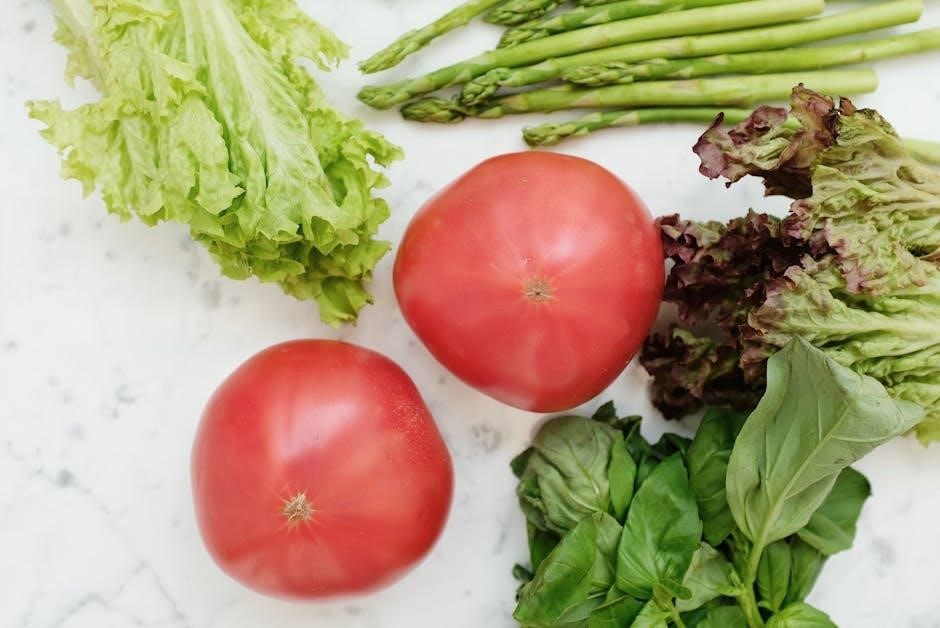
Beyond vitamins, leafy greens boast a high fiber content, aiding digestion and promoting gut health․ Their low calorie density makes them ideal for weight management; Incorporating a serving of leafy greens into your daily diet is a simple yet powerful step towards improved health․ Enjoy them in salads, smoothies, or lightly steamed for maximum benefit!
Cruciferous Vegetables & Cancer Prevention
Cruciferous vegetables – broccoli, cauliflower, cabbage, Brussels sprouts, and kale (yes, it fits here too!) – are renowned for their potent cancer-fighting properties․ These vegetables contain glucosinolates, compounds that break down during digestion into substances that may help prevent cancer development․ Research suggests a link between cruciferous vegetable consumption and reduced risk of colon, lung, and breast cancers․
The protective effect is thought to stem from these compounds’ ability to detoxify carcinogens and inhibit cancer cell growth․ Steaming or lightly cooking these vegetables preserves more of the beneficial glucosinolates than boiling․ Regularly including cruciferous vegetables in your diet is a proactive step towards long-term health and disease prevention․
Fruits: Natural Sweetness & Vitamins
Fruits offer a delightful way to satisfy sweet cravings while delivering essential vitamins, minerals, and antioxidants․ Unlike processed sweets, fruits provide natural sugars alongside fiber, which slows down absorption and prevents blood sugar spikes․ A wide variety of fruits should be incorporated into a plant-based diet, offering a spectrum of nutritional benefits․
From apples and bananas to mangoes and pineapples, each fruit boasts a unique profile of nutrients․ They are excellent sources of Vitamin C, potassium, and folate, contributing to overall health and well-being․ Prioritizing whole fruits over fruit juices maximizes fiber intake and minimizes added sugars, supporting optimal health․
Berries: Antioxidant Rich Superfoods

Berries stand out as nutritional powerhouses within the fruit family, particularly renowned for their exceptionally high antioxidant content․ These vibrant fruits – including blueberries, strawberries, raspberries, and blackberries – are packed with compounds that combat oxidative stress and protect cells from damage․ Regular berry consumption is linked to improved cognitive function and reduced risk of chronic diseases․
The antioxidants in berries, such as anthocyanins, contribute to their vibrant colors and potent health benefits․ They support heart health, boost the immune system, and may even play a role in cancer prevention․ Incorporating a variety of berries into your diet is a simple and delicious way to enhance your overall well-being․
Citrus Fruits: Vitamin C Boosters
Citrus fruits, encompassing oranges, grapefruits, lemons, and limes, are celebrated for their abundant Vitamin C content․ This essential nutrient is a potent antioxidant, crucial for immune function, collagen production, and iron absorption․ Regularly consuming citrus fruits can help bolster the body’s defenses against illness and promote healthy skin․
Beyond Vitamin C, citrus fruits offer a range of beneficial compounds, including flavonoids and fiber․ These contribute to heart health, aid digestion, and may reduce the risk of certain cancers․ Their refreshing flavor makes them a versatile addition to meals, snacks, and beverages, providing a natural and delicious way to enhance nutritional intake․
Legumes: Protein & Fiber Sources
Legumes, including beans, lentils, and peas, represent a cornerstone of plant-based nutrition, offering a powerful combination of protein and fiber․ Unlike many plant sources, legumes provide a substantial amount of protein, making them vital for muscle maintenance and repair, particularly for those reducing or eliminating animal products․
The high fiber content in legumes promotes digestive health, regulates blood sugar levels, and contributes to feelings of fullness, aiding in weight management․ Furthermore, legumes are rich in essential vitamins and minerals like iron and folate․ Their versatility allows for incorporation into soups, stews, salads, and countless other dishes, making them a convenient and affordable dietary staple․
Beans: Versatile & Affordable
Beans, in their diverse varieties – kidney, black, pinto, and more – stand out as incredibly versatile and budget-friendly components of a plant-based diet․ Their adaptability in culinary applications is remarkable; they can be enjoyed whole, mashed, or incorporated into dips, spreads, and even desserts․ This flexibility makes them easy to integrate into various meal plans․
Beyond their culinary uses, beans are nutritional powerhouses, packed with protein, fiber, iron, and folate․ Their affordability makes them accessible to a wide range of individuals, promoting healthy eating habits regardless of economic status․ Choosing dried beans over canned options further reduces costs and minimizes sodium intake, enhancing their overall health benefits․
Lentils: Quick-Cooking & Nutritious
Lentils offer a remarkable combination of convenience and nutritional value, making them a cornerstone of many plant-based diets․ Unlike many beans, lentils require no pre-soaking, significantly reducing cooking time – typically ready in 15-20 minutes! This quick preparation makes them ideal for busy weeknights and spontaneous meals․
Nutritionally, lentils are exceptional, boasting high levels of protein, fiber, iron, and folate․ They contribute to sustained energy levels and promote digestive health․ Their mild flavor profile allows them to seamlessly blend into soups, stews, salads, or serve as a hearty base for vegetarian dishes; Lentils are also incredibly affordable, making them a practical choice for budget-conscious individuals․
Grains: Whole Grains vs․ Refined Grains
Grains form a significant part of many diets, but understanding the distinction between whole and refined grains is crucial for maximizing nutritional benefits․ Refined grains, like white rice and white bread, have had their bran and germ removed, stripping away vital fiber, vitamins, and minerals․ This process extends shelf life but diminishes nutritional value․
Whole grains, conversely, retain all three parts – the bran, germ, and endosperm – offering a complete package of nutrients․ Choosing whole grains like brown rice, quinoa, oats, and whole wheat bread provides sustained energy, supports digestive health, and contributes to a reduced risk of chronic diseases․ Prioritizing whole grains over refined options is a simple yet impactful step towards a healthier, plant-based lifestyle․
Quinoa: A Complete Protein Source
Quinoa stands out as a nutritional powerhouse within the grain family, uniquely recognized as a “complete protein․” Unlike most plant-based proteins, quinoa contains all nine essential amino acids, making it an excellent choice for individuals following a plant-based diet who need to ensure adequate protein intake․ This makes it particularly valuable for those reducing or eliminating animal products․
Beyond protein, quinoa is also a good source of fiber, iron, magnesium, and antioxidants․ Its versatility allows it to be used in a variety of dishes, from salads and soups to breakfast bowls and side dishes․ Incorporating quinoa into your plant-based food list provides a substantial nutritional boost and supports overall health․
Oats: Heart-Healthy Fiber
Oats are a fantastic addition to any plant-based food list, primarily celebrated for their soluble fiber content, specifically beta-glucan․ This type of fiber is renowned for its ability to lower LDL (“bad”) cholesterol levels, contributing significantly to heart health․ Regular consumption of oats can therefore play a crucial role in reducing the risk of cardiovascular disease․
Beyond cholesterol reduction, oats provide sustained energy due to their complex carbohydrates and offer a good source of vitamins, minerals, and antioxidants․ They are incredibly versatile – enjoyed as oatmeal, added to smoothies, or incorporated into baked goods․ Choosing whole oats, like steel-cut or rolled oats, maximizes their nutritional benefits and supports a healthy, plant-based lifestyle․
Nuts & Seeds: Healthy Fats & Minerals
Nuts and seeds are nutritional powerhouses, essential components of a comprehensive plant-based food list․ They deliver healthy unsaturated fats, crucial for brain function and overall well-being, alongside a wealth of vitamins and minerals․ These tiny packages offer significant benefits, contributing to heart health and providing sustained energy․
Incorporating a variety of nuts and seeds – almonds, walnuts, chia seeds, flaxseeds, and more – ensures a diverse intake of nutrients․ They’re excellent snacks, additions to salads, or ingredients in plant-based meals․ Remember portion control, as they are calorie-dense․ Prioritizing raw or dry-roasted options avoids unnecessary added oils and sugars, maximizing their health advantages․
Almonds: Vitamin E & Magnesium
Almonds stand out as a particularly valuable addition to any plant-based food list, boasting a remarkable nutrient profile․ They are an exceptional source of Vitamin E, a potent antioxidant protecting cells from damage, and magnesium, vital for muscle and nerve function, blood sugar control, and blood pressure regulation․
Regular almond consumption contributes to improved heart health and may even aid in weight management due to their fiber and protein content․ Including almonds in a downloadable PDF food list emphasizes their accessibility and ease of incorporation into daily meals․ Opt for unsalted, unroasted almonds to avoid added sodium and preserve their natural benefits․ They’re a convenient and satisfying snack!
Chia Seeds: Omega-3 Fatty Acids
Chia seeds are nutritional powerhouses, deserving a prominent place on any comprehensive plant-based food list PDF․ They are an outstanding plant-based source of Omega-3 fatty acids, crucial for brain health, reducing inflammation, and supporting cardiovascular function․ Unlike many sources, chia seeds provide ALA, a type of Omega-3 the body can convert (though less efficiently) into EPA and DHA․
Their versatility is remarkable; easily added to smoothies, yogurt, or used as an egg replacement in baking․ A downloadable PDF list should highlight their ability to absorb liquid, creating a gel-like consistency, aiding in satiety and digestive health․ Including chia seeds promotes a well-rounded, health-focused plant-based approach․

Plant-Based Foods & Health Benefits
Embracing plant-based diets demonstrably lowers the risk of chronic diseases like heart disease, diabetes, and certain cancers, promoting overall wellness and vitality․
Reducing Risk of Chronic Diseases
A cornerstone of preventative healthcare lies in dietary choices, and plant-based eating emerges as a powerful strategy for mitigating chronic disease risk․ The typical Western diet, characterized by high intake of ultra-processed foods, refined grains, and added sugars, is strongly correlated with increased rates of obesity, heart disease, type 2 diabetes, and even certain cancers․
Conversely, diets rich in fruits, vegetables, legumes, and whole grains provide a wealth of protective compounds – antioxidants, fiber, and phytochemicals – that combat inflammation, support healthy blood sugar levels, and promote cardiovascular health․ These dietary patterns contribute to maintaining a healthy weight, further reducing disease susceptibility․ Prioritizing plant-based foods isn’t merely about exclusion; it’s about actively nourishing the body with disease-fighting nutrients․
Weight Management with Plant-Based Diets
Achieving and maintaining a healthy weight is often a primary goal for those adopting plant-based eating, and for good reason․ Plant-based foods are naturally lower in calorie density compared to many animal products and processed foods, meaning you can consume larger volumes while consuming fewer calories overall․
Furthermore, the high fiber content in plant-based diets promotes satiety, helping you feel fuller for longer and reducing the likelihood of overeating․ This isn’t about restrictive dieting; it’s about choosing foods that naturally support weight management․ Shifting away from the ultra-processed, sugar-laden components of typical Western diets facilitates a more sustainable and enjoyable approach to weight control․
Improving Gut Health Through Fiber Intake
A cornerstone of plant-based diets is their abundant fiber content, which plays a crucial role in fostering a healthy gut microbiome․ Fiber acts as a prebiotic, feeding the beneficial bacteria in your gut, leading to improved digestion and nutrient absorption․ This diverse gut flora is linked to a stronger immune system and reduced inflammation throughout the body․
Unlike the typical Western diet, often lacking in fiber, plant-based eating provides a consistent supply of this essential nutrient․ This supports regular bowel movements and prevents constipation, contributing to overall digestive well-being․ Prioritizing fiber-rich foods is a proactive step towards a healthier gut and, consequently, improved overall health․

Creating a Plant-Based Food List (PDF Focus)
A well-structured PDF simplifies plant-based transitions, offering convenient access to essential food groups and serving as a practical shopping guide․
Essential Elements of a Comprehensive PDF
A truly useful plant-based food list PDF transcends a simple enumeration of items; it’s a carefully curated resource designed for accessibility and practical application․ Crucially, it should categorize foods – vegetables, fruits, legumes, grains, nuts, and seeds – for easy navigation․
Beyond categorization, inclusion of nutritional highlights per food group is vital, briefly noting key vitamins, minerals, and fiber content․ Consider adding preparation tips, like quick-soaking methods for legumes or optimal storage for produce, to encourage usage․
Furthermore, a section dedicated to potential substitutions – swapping beef for lentils, for example – empowers users to adapt recipes․ Finally, a visually appealing layout, utilizing clear fonts and potentially including images, enhances user engagement and makes the PDF more inviting and less daunting for beginners embarking on a plant-based journey․
Resources for Downloadable Plant-Based Food Lists
Fortunately, numerous online platforms offer readily available, downloadable plant-based food lists in PDF format․ Organizations dedicated to plant-based nutrition, like the Physicians Committee for Responsible Medicine (PCRM), frequently provide comprehensive guides suitable for various dietary needs and experience levels․
Many vegan and vegetarian blogs also curate extensive lists, often categorized by meal type or specific health goals․ Websites specializing in recipe development, such as Minimalist Baker or Oh She Glows, often include printable shopping lists featuring plant-based staples․
A quick internet search for “plant-based food list PDF” yields a wealth of options․ Remember to evaluate the source’s credibility and ensure the list aligns with your personal dietary preferences and health requirements before fully adopting its recommendations․
Beyond the Basics: Specialized Plant-Based Foods

Expanding beyond staples, exploring sea vegetables and fermented plant foods unlocks unique nutritional benefits, complementing a well-rounded plant-based dietary approach․
Sea Vegetables: Iodine & Minerals
Often overlooked, sea vegetables – like kelp, nori, wakame, and dulse – represent a potent source of essential nutrients frequently lacking in land-based plant diets․ Notably, they are among the richest natural sources of iodine, crucial for thyroid hormone production and metabolic regulation․ This is particularly important for individuals avoiding iodized salt․
Beyond iodine, sea vegetables boast a remarkable mineral profile, including calcium, magnesium, iron, and potassium․ They also provide unique bioactive compounds with potential antioxidant and anti-inflammatory properties․ Incorporating small amounts into meals – such as adding nori flakes to soups or enjoying wakame salad – can significantly boost nutritional intake․ However, moderation is key due to their high iodine content; excessive intake can be detrimental․
Fermented Plant Foods: Probiotics & Digestion
Fermentation, an age-old preservation technique, unlocks a wealth of health benefits in plant-based foods․ Through microbial action, fermentation creates probiotics – live microorganisms that support a healthy gut microbiome․ A thriving gut is linked to improved digestion, enhanced nutrient absorption, and a stronger immune system․
Examples of fermented plant foods include sauerkraut (fermented cabbage), kimchi (Korean fermented vegetables), tempeh (fermented soybeans), and kombucha (fermented tea)․ These foods are not only rich in probiotics but also often easier to digest than their unfermented counterparts․ The fermentation process breaks down complex carbohydrates, potentially reducing bloating and gas․ Regularly including fermented foods in your diet can contribute significantly to overall gut health and well-being․